Null and voice votes could be a penalty Malawi pays for not educating its citizens well, especially on how to vote, our Staff Reporter ALLAN NYASULU writes:
At 6.30am on polling day, first-time voter Hamidu Mwakiposa, 22, queued for hours at Foundation Primary School in Mzuzu City. He clutched his voter ID, his index finger inked in readiness to vote.
Waiting for a turn, Mwakiposa pensively gazed at the presidential ballot crowded with 17 faces and party symbols. He ticked his choice, paused, corrected and tucked the folded paper into a ballot box, certain he had spoken.
“I wasn’t sure who to vote for. It was confusing,” he recalls. But his vote did not count as it had a stray mark across a box.
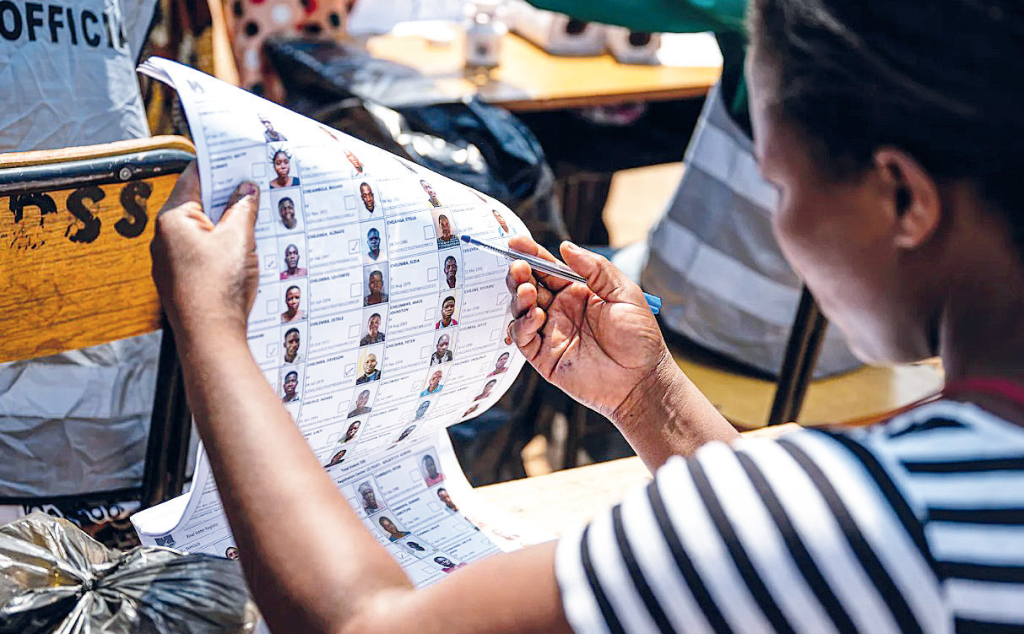
Lengthy ballot
Bricklayer Austin Khomba and Virginia Luciano, from Dedza, say some null and void votes were protest verses as the bearers could not find a suitable candidate Catholic bishops termed a lesser devil.
“I was hurrying to get to work. I didn’t even know who to vote for, so I just picked randomly,” says Khomba.
Malawi Electoral Commission (MEC) declared 155 225 ballots null and void in the September 16 General Election.
This represents 2.8 percent of presidential votes, about thrice higher than the 57 000 votes binned five years ago.
Section 87 of the Presidential, Parliamentary and Local Government Elections Act declares a vote void if it is torn, blank, unclear, lacks MEC’s official mark, reveals a voter’s identity or breaks gazetted electoral rules.
The null and void votes have been rising since 2009, but each disallowed vote represents a citizen denied a say on who should govern them.
Experts partly blame the worrying trend on falling voter education.
Meanwhile, voters’ turnout has risen from 65 percent to 76.4 percent since 2019.
To activists, this suggests public confidence in the elections or yearning for change.
Yet the void votes tell a worrying story.
Dedza recorded 10 610 disallowed votes, representing 4.1 percent of the ballots tallied. Salima followed with 5 236, at the same proportion. The populous Lilongwe recorded over 22 000 trashed ballots. By contrast, Zomba City kept its rate at 1.4 percent.
The unevenness suggests uneven voter literacy levels, ill preparation and the ballot layout.
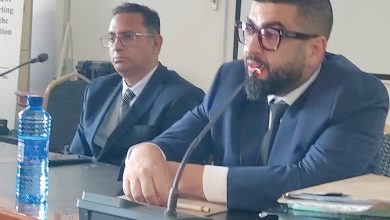
Development communication expert Andrew Kaponya, from the Malawi University of Business and Applied Sciences, says: “When I received the
how to vote, fewer than 20 had funds to carry out their mission. We essentially, abandoned voters at the moment their participation mattered most,” he says.
National Initiative for Civic Education director Grey Kalindekafe says mock voting sessions would have helped voters rehearse how to mark the ballots.
MEC chairperson Annabel Mtalimanja declared Peter Mutharika of the Democratic Progressive Party the winner, with 56.8 percent of the vote.
She said the null and void votes were too few to change the outcome.
However, Kaponya says each squandered ballot testifies to a person who queued to cast a ballot, hoping their vote would count
“We are talking about more than 150 thousand people who were not part of the decision made,” he states.
Kondowe says 2.8 percent of the vote may appear small on paper, but exceeds the margin that separated winners and losers in past contests.
“Thousands of voices were silenced, violating universal suffrage. Democracy is not just holding an election; it is ensuring every vote is valid and counted,” he argues.
Call to further study
MEC spokesperson Sangwani Mwafulirwa says until a proper study analyses the void votes, the debate could be mere speculation.
“As MEC, we encourage researchers and academics to do the study,” he says.
Since 1994, civic education in rural communities has been scanty and stuttering due to falling financing.
Overdependence on external funders crippled civic education providers.
Meanwhile, political parties and candidates mostly mobilised citizens to elect them, without teaching them how to vote.
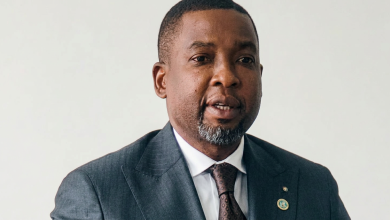
Kondowe says voter education must be a national priority with sustainable funding and ballots must be redesigned for clarity.
Like the campaigner, Kaponya states that democracy is not just about who wins or loses, but also whether everyone ticks the right box.
“Until then, every void ballot is a reminder that our work is incomplete,” he states.